Musica Royalty Free per Twitch: La Guida Audio Completa 2026
Riassunto
La rilevazione DMCA di Twitch funziona in tempo reale nel 2026, scansionando sia i flussi live che i VOD. L'opzione gratuita più sicura rimane StreamBeats (oltre 1.500 tracce, nessuna attribuzione). Per la copertura a pagamento, Epidemic Sound e Pretzel Rocks offrono i termini di licenza più chiari. La musica generata da IA da Suno e Soundraw aggiunge una nuova categoria: output che voi possedete dal momento in cui viene renderizzato. Il vostro stack audio dovrebbe anche coprire la cancellazione del rumore e la voce IA per avvisi e TTS.
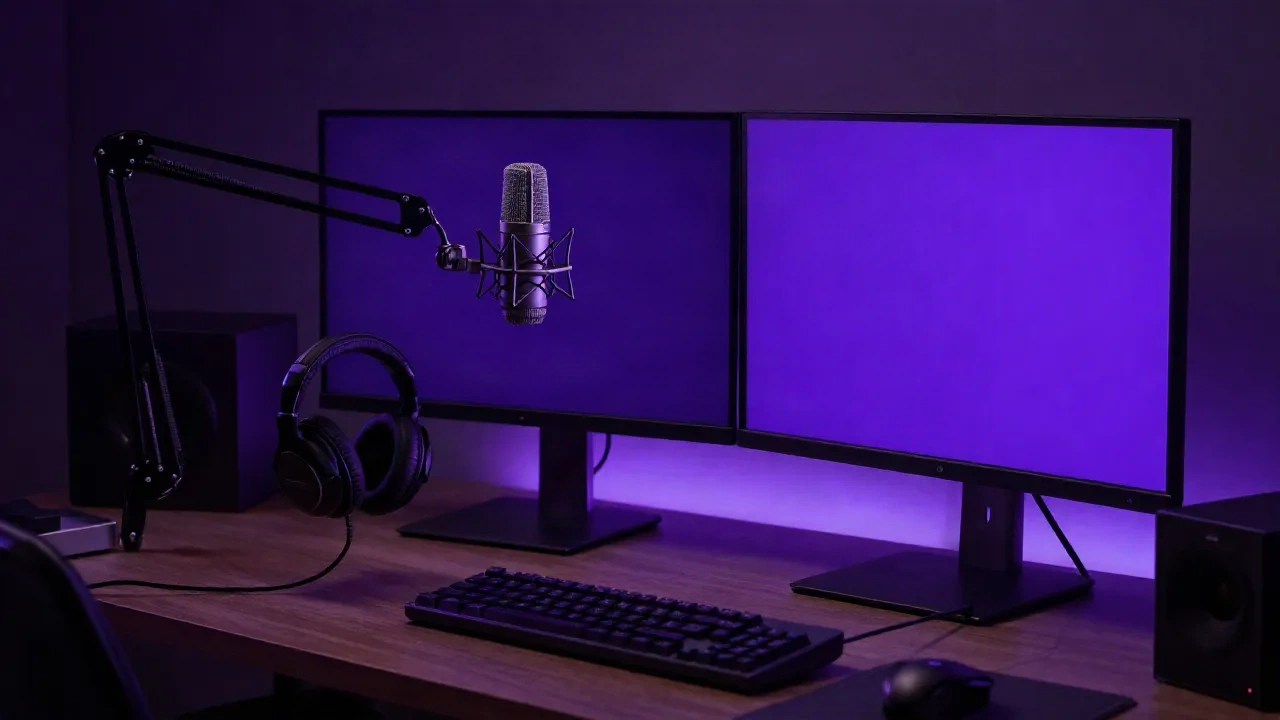
Trovare la giusta musica royalty free per twitch richiede con una distinzione fondamentale: una licenza di trasmissione non è la stessa cosa di una licenza di ascolto personale. La risposta operativa nel 2026 è usare una libreria streaming dedicata o audio generato da IA. Gli abbonamenti Spotify, Apple Music e le tracce "copyright-free" da canali YouTube non verificati sono licenziati solo per ascolto personale, non per trasmissione. Riprodurli in OBS attiverà il sistema di rilevamento automatico di Twitch. Quel rilevamento ora funziona in tempo reale, integrato direttamente con i database dei major discografici. Ecco quali fonti resistono su live, VOD e clip, e come costruire uno stack audio per streaming che non crei problemi durante una sessione in diretta.
Cosa significa davvero "royalty-free" quando il sistema di Twitch sta monitorando
Il termine è legalmente impreciso. "Royalty-free" non significa gratuito come prezzo -- significa che paghi una volta (o niente, sé il creatore offre licenze gratuite) e il titolare dei diritti non riscuote royalty per riproduzione o per trasmissione. Su Twitch specificamente, ciò che conta è sé una traccia è stata autorizzata per la sincronizzazione negli stream in diretta e sé è registrata presso Audible Magic, il sistema di audio fingerprinting che Twitch usa per scansionare sia i contenuti live che i VOD archiviati.
Una traccia può essere etichettata royalty-free su Bandcamp e attivare comunque un avviso DMCA su Twitch sé il titolare dei diritti l'ha registrata separatamente presso Audible Magic. L'etichetta nella pagina di download non controlla quello che succede al livello del fingerprinting. Questa distinzione elimina una grande categoria di musica che audiofili e content creator YouTube consigliano senza esitazione ma che comporta reale esposizione al rischio per gli streamer di Twitch.
The second misunderstanding worth clearing up: VOD exposure is not the same as live exposure. Twitch's live detection has become more aggressive in 2026, but VODs remain the primary enforcement surface because they are persistent and scannable at leisure. A live DMCA flag results in a muted segment in your VOD archive; a VOD strike counts against your account record.
Il sistema dei tre strike e il costo reale per un account streamer
Twitch's enforcement structure runs on a three-strike model. A first strike produces a 24-hour streaming suspension. A second strike escalates to a suspension ranging from 24 hours to 7 days, at Twitch's discretion. A third strike means an indefinite or permanent ban. Unlike YouTube's Content ID system, where strikes expire after 90 days, Twitch DMCA strikes are permanent account record entries.
For a streamer with affiliate or partner status, an established subscriber base, and an active community, the asymmetry is stark. A few hours of playing personally purchased music into OBS creates a tail risk that scales with the size of your channel. The more viewers, the more VOD views, the more surface area for automated scanning.
This is why the practical response across working streamers is not "play music carefully" but "remove the category of risk entirely." Using a library that is explicitly registered and cleared for Twitch streaming is not a premium convenience -- it is the minimum viable configuration for anyone who treats their channel as something worth protecting.
Librerie gratuite che resistono su live, VOD e clip
StreamBeats is the reference point for budget-constrained streamers. Created by streamer and YouTuber Harris Heller, the library currently offers over 1,500 tracks across 15 genres, including lo-fi, chill-hop, jazz, EDM, rock, and hip-hop instrumentals. All tracks are registered with both Twitch's Audible Magic system and YouTube's Content ID. No attribution is required, and there is no signup. You can find it on Spotify, YouTube, and the Pretzel streaming app.
The practical limitation of StreamBeats is genre distribution. The library skews heavily toward ambient and lo-fi, which fits chill, creative, and "study stream" formats well but can feel rhythmically under-matched for competitive FPS or high-energy variety content.
Other free options with verifiable Twitch clearance include NCS (Nocopyright Sounds), which offers around 1,500 tracks in primarily electronic genres and requires artist credit visible on your stream overlay or in your channel description. Chillhop Music is a smaller, carefully curated lo-fi library with permissive non-commercial streaming terms. GameChops focuses on game-music-inspired electronic arrangements and is explicitly licensed for streaming use.
The NCS attribution requirement is the operational catch. If you rotate tracks frequently, you need a system for updating your stream overlay or channel description with the current artist credit. Streamers who miss this have received DMCA flags despite using NCS tracks correctly.
Servizi a pagamento: quando il conto dell'abbonamento ha senso
For streamers who want genre breadth, reliable Twitch clearance documentation, and no attribution overhead, paid services are the cleaner path. The pricing range across main options runs from roughly $5 to $18 per month.
Epidemic Sound is the most widely used paid option. A personal creator plan runs approximately $15 to $17.99 per month billed monthly, with a lower rate on annual billing. The library covers several hundred thousand tracks with detailed metadata including mood, tempo, and instrument tagging, which speeds up finding tracks that match a specific stream energy. Licensing terms explicitly cover Twitch live streams, VODs, clips, and highlight edits uploaded to other platforms.
Pretzel Rocks is designed specifically for streamers. The native integration with OBS and Streamlabs is tighter than most competitors, and the curation is oriented toward background listening during gameplay rather than active listening. At approximately $4.99 per month, it represents the lowest friction entry into reliable Twitch clearance for a paid tier.
Artlist and Soundstripe position at a higher price point and offer broader commercial licensing that covers sponsored content and branded clips, which matters if you produce highlight compilations for YouTube with sponsorship reads. The additional cost is justified if your content crosses streaming into professional video production.
The break-even calculation is not complicated. If you stream regularly and want zero attribution overhead with full genre control, a paid service at $5 to $15 per month costs less than two cups of coffee and removes the category of risk entirely.
Musica generata da IA: una categoria di diritti completamente diversa
AI-generated music from platforms like Suno, Soundraw, and Mubert operates under a fundamentally different licensing model. The output is generated on demand, which means there is no pre-existing copyright to infringe. By 2026, the legal position in most major jurisdictions has settled: users hold rights to AI-generated output, subject to the platform's terms of service, when they provide the creative prompt.
The practical consequence for Twitch is that AI-generated music cannot be fingerprinted by Audible Magic unless you register it yourself -- which you would never do. It is original output. It does not exist in any rights database. This removes the DMCA exposure category entirely, not through licensing but through the absence of prior art.
Quality consistency is the real limitation. Suno and Udio produce outputs ranging from convincingly genre-accurate to sonically inconsistent depending on the prompt and the specific model build. For background use during a stream, the quality bar is lower than for a commercial release, and both tools produce material that works in that context. Soundraw and Mubert are built specifically for background and loop use cases, which tends toward more consistent results at the cost of less creative range.
Mubert's streaming-specific plan delivers real-time generated audio rather than downloaded files, which removes the local file management workflow entirely. The plan runs around $14 per month and generates adaptive background music that adjusts energy level based on parameters you set. For streamers who want music without the library curation overhead, this is a coherent approach.
Il vostro stack audio completo: la musica è un solo livello
Background music is one component of stream audio. The other components that affect viewer experience include microphone quality, noise floor management, and the voice elements that accompany your content: alerts, TTS voices for donation reads and channel point redemptions, and in some formats, character voices for roleplay or narrative streams.
Noise cancellation software addresses the microphone quality problem without requiring acoustic treatment of your recording space. Running a real-time noise suppression tool in your audio chain reduces background noise from fans, traffic, and keyboard noise, which matters when stream music is playing through monitors and bleeding into the microphone signal.
AI voice tools have expanded the options for stream alert TTS considerably. A cloned voice for TTS donation reads adds a distinctive character to your channel identity compared to a generic system voice. The latency requirements for stream TTS differ from audiobook or podcast production: you need response under a few seconds for the interaction to feel live rather than like a processing delay. Most API-based TTS tools operate well within that window for short-form text.
Prima del vostro prossimo stream: cosa configurare una volta e non riconsiderare
Setting up the audio stack correctly takes approximately one hour and removes the ongoing cognitive overhead of worrying about DMCA exposure.
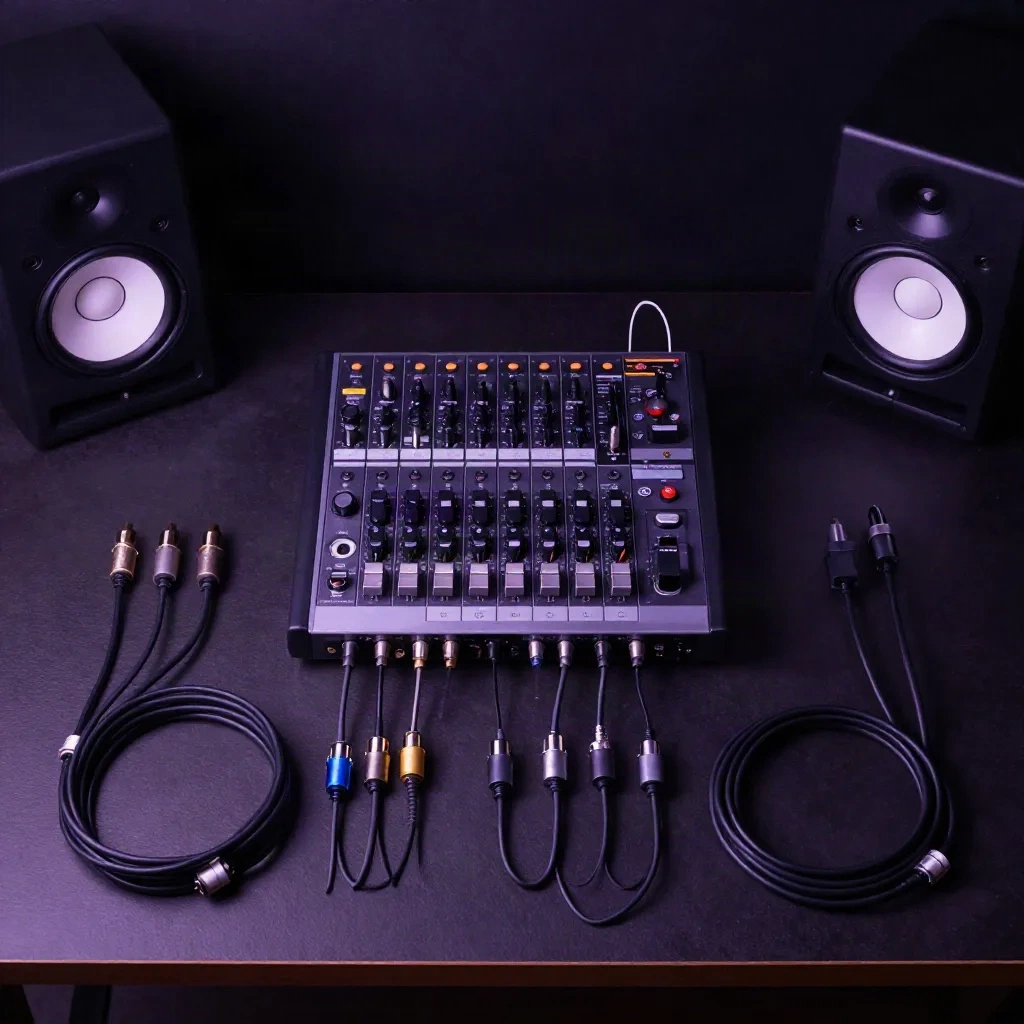
In OBS, configure separate audio tracks for your microphone and your background music source. Track 1 captures everything for local recording. Tracks 2 and 3 should isolate the microphone signal without music, so your VOD archive can be set to record from a music-free track if you choose. This also protects you if you accidentally switch to a music source outside your cleared library.
Choose one primary music source and commit to it as your default: StreamBeats if budget is the constraint, Pretzel Rocks if you want genre range without attribution strings, AI-generated Mubert if you prefer zero file management. Document which source you are using in a channel description or stream overlay note -- this protects you if a claim is filed, because you can demonstrate the specific licensing chain.
Test your audio separation before going live. Record a short local test in OBS, confirm that music appears on track 1 and is absent from track 2, then validate your VOD settings are recording from the correct track.
Session note: Several games include licensed commercial soundtracks -- FIFA, GTA V, certain racing titles -- that trigger DMCA detection regardless of your background music setup. The fix is disabling in-game music in the audio settings before you go live. This is a separate variable from your royalty-free library choice and has caught streamers who had otherwise configured their audio correctly.