AI Voice Cloning Built for Production Work
Clone a voice from a clean sample, then shape pacing and emotion before you ship the file, built for audiobook, game and podcast sessions.
Six things that change in your voice cloning workflow
8-slider emotion timeline
Adjust valence, tension and pace across the timeline instead of re-recording a take when the emotional arc drifts mid-chapter.
Phoneme-level correction
Fix a mispronounced word or a stress pattern on one phoneme without regenerating the full line.
Waveform-level review
Scrub the output like a session file, not a sealed box. Catch drift at a segment boundary before it reaches a client.
Multi-language cloning
Clone once, generate across supported languages while keeping the same voice identity and emotion settings.
Streaming API
Pull generated audio into your pipeline through a JSON endpoint built for game engines and IVR systems, not only a web dashboard.
Consent-first cloning
Every clone requires a verified consent step from the voice owner before the model activates, so the workflow holds up under platform review.
From sample to shipped voice in three steps
The same process whether you are cloning one narrator or managing twelve NPC voices.
-
1
Upload a clean sample
Three minutes of clean, consistent audio gives the model enough to work with. Shorter samples clone but lose fidelity across longer sessions.
-
2
The clone renders
The model builds a voice profile in about 30 seconds. You get a preview line before committing to a full script.
-
3
Shape and generate
Set the emotion timeline, correct any phoneme that lands wrong, then export or stream the result into your pipeline.
Indie audiobook production without the retake spiral
A 280-page manuscript with three characters and distinct accents used to mean re-recording every take that drifted mid-chapter. With AI voice cloning, you record the narration once, then adjust pacing and emotion on the file instead of re-tracking the session. Producers report cutting studio hours per audiobook while keeping a human pass on the lines that need one.
- Clone a narrator voice from a 3-minute sample
- Fix pacing on a single sentence without a full re-record
- Keep secondary character voices consistent across chapters
NPC dialogue at scale, without booking a voice actor for every line
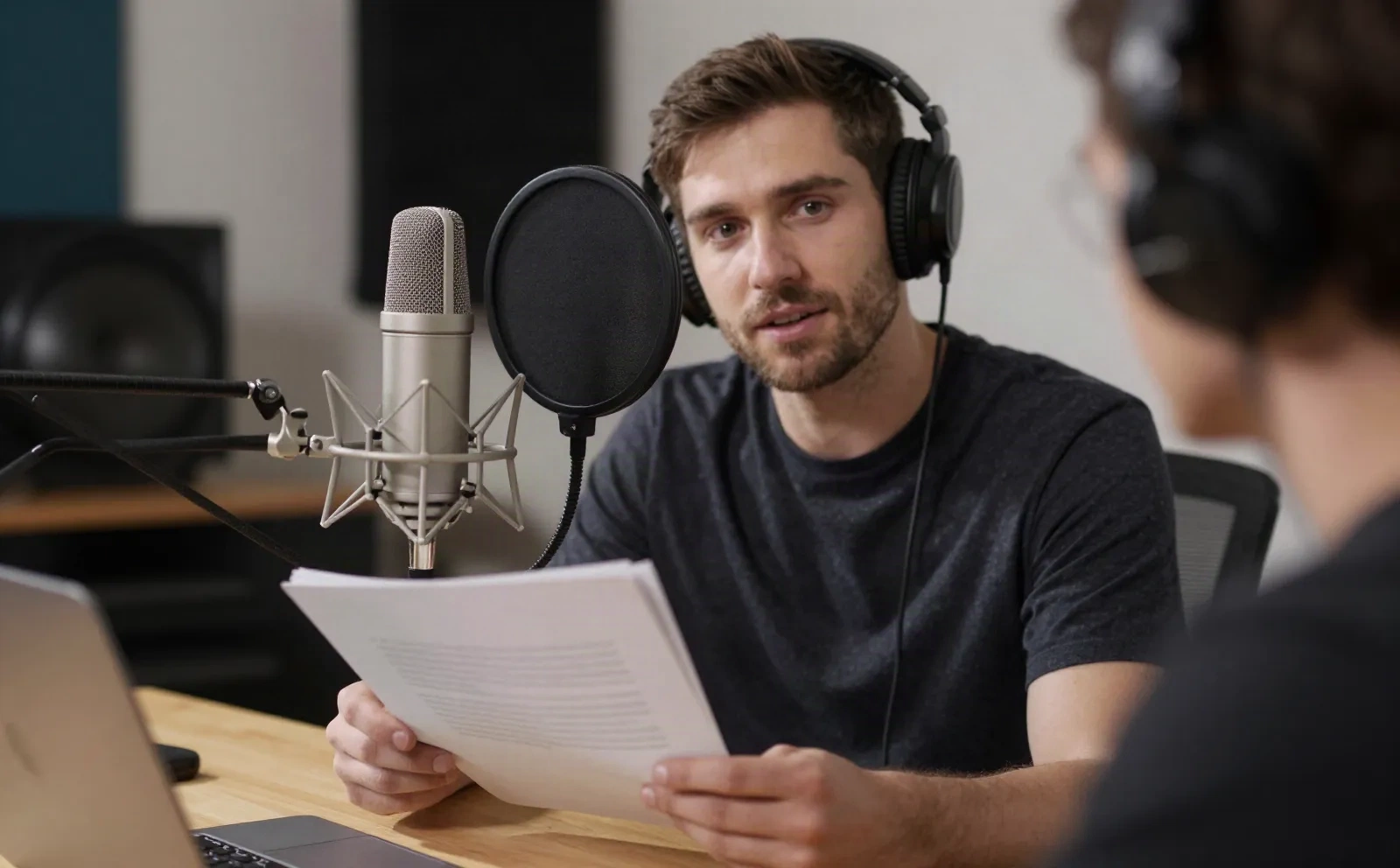
Game studios are shipping hundreds of NPC lines across multiple emotional states without a voice actor for every variation. AI voice cloning lets a sound designer generate calm, tense and aggressive deliveries from the same base voice, then patch a single line when a playtester flags one that reads wrong. Waveform-level review matters here: you catch a delivery that breaks character before it ships in a build.
- Generate multiple emotional deliveries from one cloned voice
- Patch a single flagged line without regenerating the full dialogue tree
- Stream output directly into a game engine through the API
The market context for AI voice cloning
Questions we get before a first session
Is AI voice cloning legal if I do not own the voice?
How much audio do I need to clone a voice?
Does a cloned voice sound synthetic on long-form audiobook narration?
What is the difference between AnyVoice and ElevenLabs for cloning?
Can I use a cloned voice for commercial audiobook or game production?
How many languages does AnyVoice support for cloning?
Can I fix a single word without regenerating the whole file?
How does AnyVoice pricing work?
Clone a voice and hear the difference in your own script
Upload a sample, shape the emotion timeline, and export before your next session.